THE REAL-LIFE BUYING GUIDE
Smart blinds for bedrooms: measure twice, automate carefully
Compare blackout needs, window fit, power and everyday controls before automating the morning light.
Buying links currently go directly to official brand sites without affiliate tracking. Read our disclosure.
Opening bedroom blinds automatically can be a worthwhile convenience, especially for a window behind furniture. That benefit disappears if the covering fits poorly or charging becomes inconvenient. Decide whether you are replacing the whole covering or adapting an existing mechanism. Work through measurements, permissions, power access, and manual operation before selecting an app. The blind should remain useful on the mornings when nobody wants the normal schedule.
The quick shortlist
| Your situation | What to look for | The tradeoff |
|---|---|---|
| Replacing a worn covering | Complete motorized blind Lets dimensions, fabric, and mounting be planned together. | Measurement mistakes can be costly to correct. |
| Keeping a suitable covering | Documented compatible retrofit May retain a blind you already like. | Mechanism compatibility must be checked precisely. |
| Shared bedroom | Accessible remote control Keeps daily operation independent of one person's phone. | Check remote requirements and interaction with schedules. |
Measure the actual installation
Follow the product instructions for inside or outside mounting. Window openings may not be square, and glass dimensions alone are insufficient. Check trim, handles, depth, brackets, and the space occupied by the raised shade. Consider professional measuring where appropriate. A motor cannot correct an unsuitable width or a bracket blocking the window.
Assess light control honestly
Dark fabric is not the same as a fully dark room. Gaps around the edges and top depend on the covering and installation. If daylight sleep is the priority, assess the entire window treatment. Do not infer room-darkening performance from motorization or an attractive photograph. Fit and fabric deserve separate attention from connected functions.
Choose maintainable power
Rechargeable, replaceable-battery, and wired options bring different routines. Check whether accessing power means taking down a high blind. Consider cable routes and supplied equipment. Runtime claims depend on use and conditions. Choose an installation you can maintain comfortably even if charging or battery replacement is needed sooner than expected.
Make schedules easy to override
An early weekday opening can be unwelcome after a late shift or on an unusual day. Make the override obvious from bed. Sunrise-based routines, when available, change timing throughout the year. Automate the habit the household wants instead of enforcing a rigid routine. Anyone sharing the room should understand how to stop or adjust it.
Try one window first
A single installation can clarify motor noise, fabric appearance, connectivity, and maintenance. Include remotes, bridges, installation, and mounting parts in the cost. Check rental permission before drilling or replacing existing coverings. Follow the manufacturer's complete installation and child-safety guidance. Expand only after the first window demonstrates that the routine is worth repeating.
Check the exact version before ordering
Product families can contain versions with different connections, included accessories, or regional requirements. Open the official manufacturer's current information and compare the model identifier with the item in your basket. Read the setup and compatibility instructions before paying. A discount is less useful if the missing accessory costs more than expected or the device cannot join the system you already use. Include batteries, mounting parts, hubs, and any ongoing service in the total cost.
Choose a seller with clear return terms, and keep the packaging until you have checked physical fit, setup, and the everyday controls. Use the manufacturer's supported installation method rather than improvising around a missing bracket or an unsuitable power supply. If the setup is more complicated than the job it solves, a simpler conventional product may be the better purchase.
How these recommendations were made
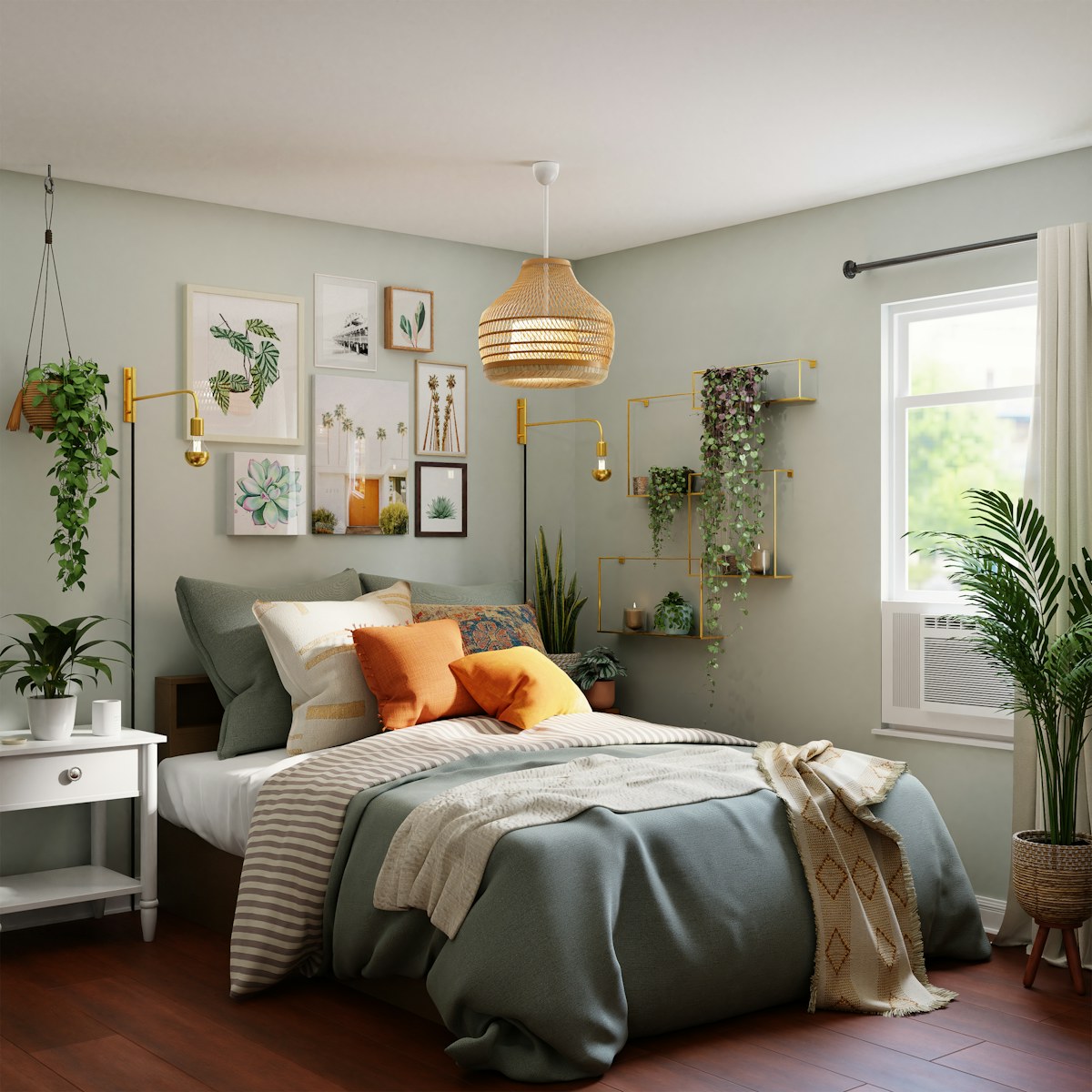
This is a scenario-based buying guide informed by published manufacturer resources. It does not claim hands-on testing, measured performance, or a numerical product ranking. The recommendations explain which product type may fit a household routine and where the tradeoffs arise. Follow the source links to check the current product range and exact requirements; availability and feature support can change. An editorial scene illustrates the setting, rather than proving that a particular model has been tested there.
Compare the official options
Use these manufacturer pages to confirm the exact model, compatibility, return terms and current price. A range may include products with different features; check the individual listing before buying.
Browse IKEA smart-home range ↗Common questions
Does motorized mean blackout?
No. Fabric, fit, mounting, and edge gaps determine incoming light.
Can renters install them?
Get permission for the exact modifications and clarify restoration requirements.
Should I use sunrise automation?
Only if it suits the household across the year. Keep an easy override.
Sources & further reading
Manufacturer sources are linked below. Recommendations about fit are editorial judgments; specifications and availability can change.
Photography: Unsplash license. View image source.
Spotted an error? Send a correction.
Keep Exploring
Smart plugs for lamps: a simpler evening routine
Make the evening lamp routine simpler while checking appliance limits, manual controls and shared access.
Read the guide →
Smart bulbs for renters: upgrade the light, keep the lease simple
Choose useful lighting without replacing fixtures or making everyday switches harder to use.
Read the guide →
Robot vacuums for pet homes: buy for the daily mess
Match floor care to pet hair, clutter and the maintenance you can realistically keep up with.
Read the guide →