THE REAL-LIFE BUYING GUIDE
Smart light strips for living rooms: good light starts with placement
Plan placement, brightness and cable routes for lighting that adds atmosphere without extra clutter.
Buying links currently go directly to official brand sites without affiliate tracking. Read our disclosure.
A light strip can make the television corner feel calmer, but placement matters more than the number of app effects. Exposed points of light and awkward cables can turn an appealing idea into clutter. Decide whether you want background light, shelf lighting, or a decorative effect before comparing kits. Those are different tasks with different requirements for output, mounting, dimensions, and everyday controls.
The quick shortlist
| Your situation | What to look for | The tradeoff |
|---|---|---|
| TV background | Indirect white-light strip Focuses on a restrained glow behind furniture. | Check output and placement instead of choosing by effects. |
| Display shelving | Appropriately sized strip Follows actual shelf dimensions and cable routes. | Cutting and connector options vary by model. |
| Decorative scenes | Color-capable strip Adds optional atmosphere with familiar room controls. | Synchronization may require additional hardware or software. |
Measure the entire route
Measure the illuminated length, outlet route, and corners. Check whether the strip permits cutting and extension, including exact cut points. Do not assume unused pieces remain functional. A slightly short kit can be frustrating if connectors add more complexity. Plan the power supply as carefully as the illuminated section.
Hide the source thoughtfully
For indirect light, assess the reflecting surface and viewing angles from the sofa. Visible bright dots may be distracting. Suitable channels or diffusers can help when dimensions and instructions permit. Check mounting and ventilation. Adhesive behavior depends on the surface; do not improvise around heat, fragile finishes, or an unsuitable location.
Compare useful white light
A room used for conversation and reading may use a comfortable white setting more often than changing colors. Color capability alone does not establish the quality or output of white light. Check the exact specifications. Philips Hue's catalog shows different decorative forms, a useful starting point for considering which shape fits the room.
Choose obvious daily controls
A hidden strip still needs an easy control. Decide whether an app, included remote, compatible button, or room routine fits the household. Reaching behind furniture each evening defeats the convenience. Avoid schedules that unexpectedly brighten the room during a film. Keep the normal scene modest and easy for others to restore.
Skip synchronization unless useful
Screen-reactive effects may require extra hardware, software, or a particular source setup. Read that whole arrangement before buying a premium bundle. A gentle background glow can need far less complexity. Pay first for neat placement and the light the room needs, rather than a dynamic function likely to remain disabled.
Check the exact version before ordering
Product families can contain versions with different connections, included accessories, or regional requirements. Open the official manufacturer's current information and compare the model identifier with the item in your basket. Read the setup and compatibility instructions before paying. A discount is less useful if the missing accessory costs more than expected or the device cannot join the system you already use. Include batteries, mounting parts, hubs, and any ongoing service in the total cost.
Choose a seller with clear return terms, and keep the packaging until you have checked physical fit, setup, and the everyday controls. Use the manufacturer's supported installation method rather than improvising around a missing bracket or an unsuitable power supply. If the setup is more complicated than the job it solves, a simpler conventional product may be the better purchase.
How these recommendations were made
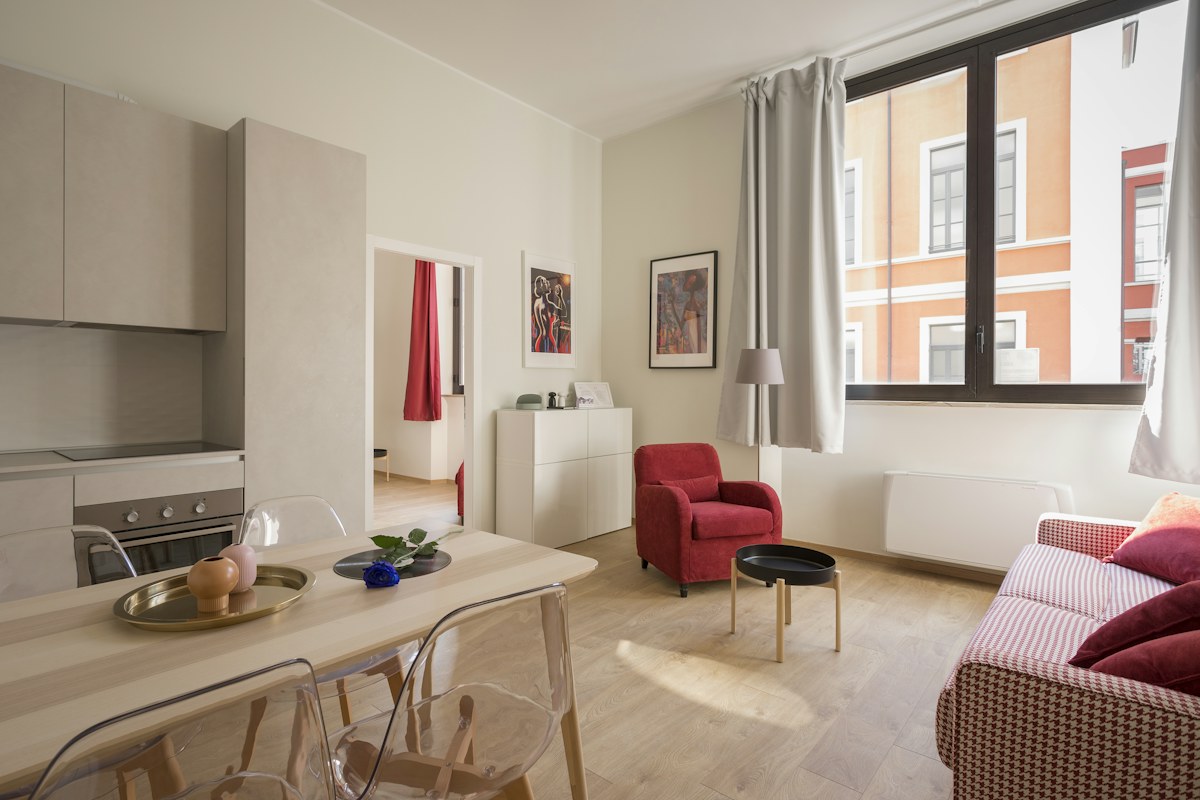
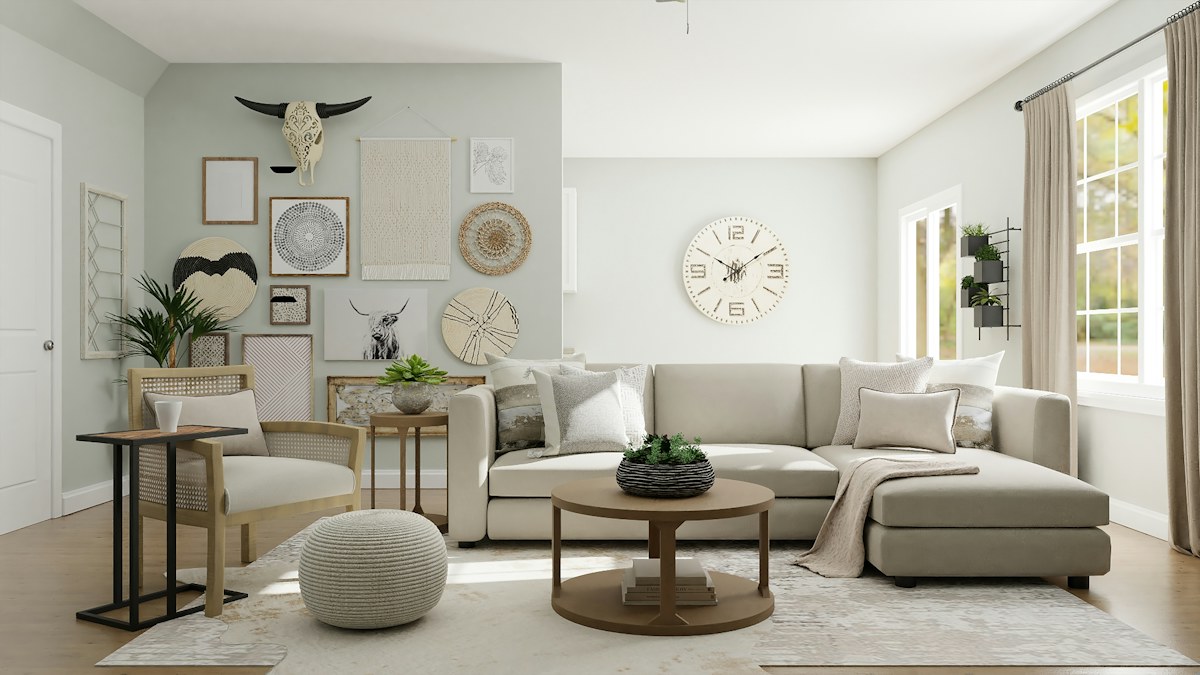
This is a scenario-based buying guide informed by published manufacturer resources. It does not claim hands-on testing, measured performance, or a numerical product ranking. The recommendations explain which product type may fit a household routine and where the tradeoffs arise. Follow the source links to check the current product range and exact requirements; availability and feature support can change. An editorial scene illustrates the setting, rather than proving that a particular model has been tested there.
Compare the official options
Use these manufacturer pages to confirm the exact model, compatibility, return terms and current price. A range may include products with different features; check the individual listing before buying.
Browse Philips Hue decorative lighting ↗Common questions
Can every strip be cut?
No. Use only the permitted cut points and methods for the exact product.
Will I need a bridge?
Requirements vary by kit and chosen controls. Compare the complete setup.
Is television sync essential?
No. For soft background light, simpler controllable lighting may be a better fit.
Sources & further reading
Manufacturer sources are linked below. Recommendations about fit are editorial judgments; specifications and availability can change.
Photography: Unsplash license. View image source.
Spotted an error? Send a correction.
Keep Exploring
Smart plugs for lamps: a simpler evening routine
Make the evening lamp routine simpler while checking appliance limits, manual controls and shared access.
Read the guide →
Smart bulbs for renters: upgrade the light, keep the lease simple
Choose useful lighting without replacing fixtures or making everyday switches harder to use.
Read the guide →
Robot vacuums for pet homes: buy for the daily mess
Match floor care to pet hair, clutter and the maintenance you can realistically keep up with.
Read the guide →