THE REAL-LIFE BUYING GUIDE
Water leak sensors for laundry rooms: small devices, clear response plans
Place alerts where a small leak could become a big problem, and plan what happens when one arrives.
Buying links currently go directly to official brand sites without affiliate tracking. Read our disclosure.
A small puddle behind the washing machine can stay unnoticed. A leak sensor is meant to draw attention to water where its sensing contacts are placed. It does not repair plumbing, prevent every leak, or guarantee someone will respond. The useful purchase combines suitable placement, an alert the right person can receive, and a response plan. Begin with the room and those people rather than a discounted multipack.
The quick shortlist
| Your situation | What to look for | The tradeoff |
|---|---|---|
| Occupied home | Sensor with audible local alarm Adds an alert near the room without relying only on a phone. | Audibility depends on doors, distance, and ambient noise. |
| Remote laundry area | Connected leak sensor Can add notifications where a local alarm may go unheard. | Check required hubs, connectivity, and phone notification settings. |
| Awkward gap | Sensor with suitable remote probe Can place contacts where the main unit is inconvenient. | Follow the exact probe positioning and testing instructions. |
Choose a point water would reach
Look around supply connections, the drain, and nearby sinks. Placement depends on the way water could collect and the model instructions. A sensor on the opposite side of the room may miss a localized puddle. A suitable probe cable can offer flexibility. Keep the device reachable for inspection without routinely moving a heavy appliance.
Decide who receives the alert
An audible alarm may suit a room within earshot. A connected notification can help further away but adds dependencies: power, batteries, coverage, a hub, internet, and phone settings. Check each requirement. Test the actual alert on the intended phone. Pairing success is not the same as a notification reaching somebody who can respond.
Compare the complete connection cost
A small sensor can require a particular hub. Check account and service needs before buying. A bundle is useful only if the additional sensors have sensible locations and the system suits the home. One managed sensor in the right place can be a more understandable first step than several devices with unclear roles.
Create a maintenance habit
Follow the recommended testing process and battery guidance. Recheck placement after cleaning or moving baskets. A sensor displaced by a mop may no longer cover the intended point. Give each device a clear room and appliance name. An alert saying Laundry washer floor is easier to interpret than an unfamiliar default identifier.
Plan the response
Agree who responds and how to contact the building manager or appropriate professional. Locate relevant shutoff controls through proper guidance in advance. Maintain appliances and plumbing separately from the sensing system. Automatic shutoff equipment is a different purchase with installation requirements of its own; do not assume a simple sensor includes that capability.
Check the exact version before ordering
Product families can contain versions with different connections, included accessories, or regional requirements. Open the official manufacturer's current information and compare the model identifier with the item in your basket. Read the setup and compatibility instructions before paying. A discount is less useful if the missing accessory costs more than expected or the device cannot join the system you already use. Include batteries, mounting parts, hubs, and any ongoing service in the total cost.
Choose a seller with clear return terms, and keep the packaging until you have checked physical fit, setup, and the everyday controls. Use the manufacturer's supported installation method rather than improvising around a missing bracket or an unsuitable power supply. If the setup is more complicated than the job it solves, a simpler conventional product may be the better purchase.
How these recommendations were made
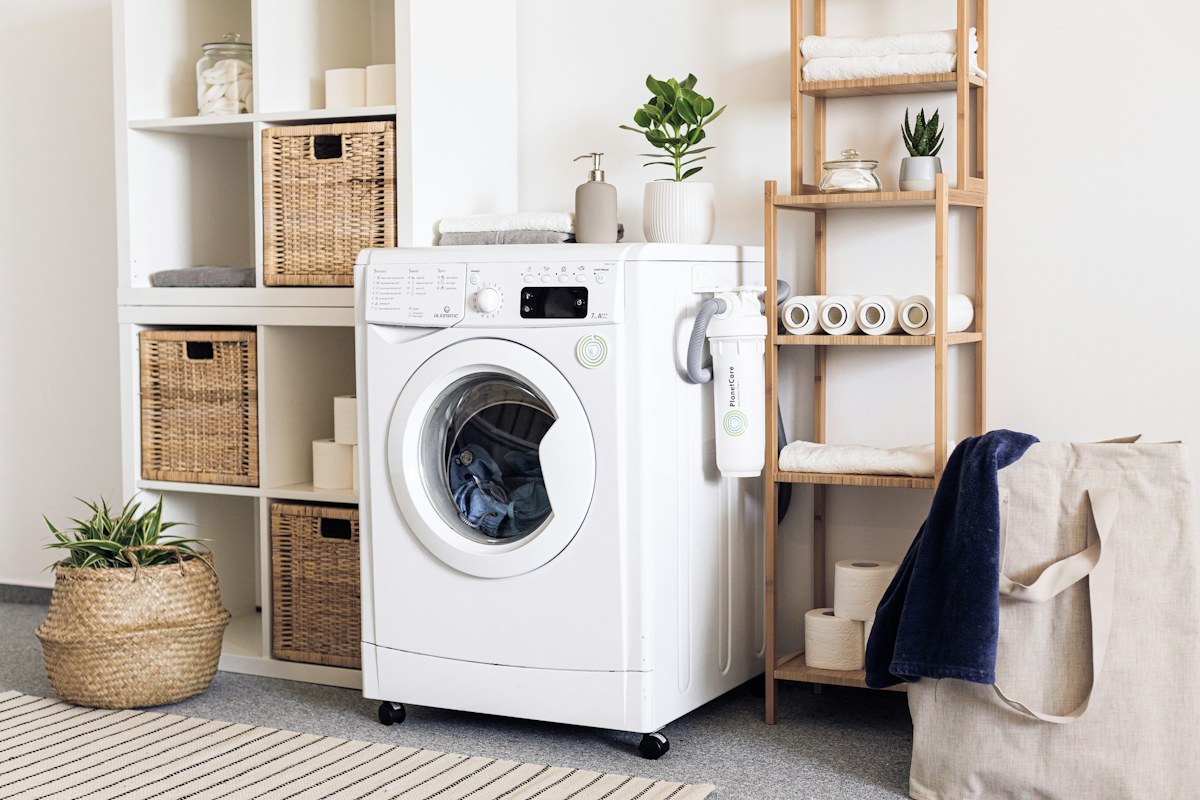
This is a scenario-based buying guide informed by published manufacturer resources. It does not claim hands-on testing, measured performance, or a numerical product ranking. The recommendations explain which product type may fit a household routine and where the tradeoffs arise. Follow the source links to check the current product range and exact requirements; availability and feature support can change. An editorial scene illustrates the setting, rather than proving that a particular model has been tested there.
Compare the official options
Use these manufacturer pages to confirm the exact model, compatibility, return terms and current price. A range may include products with different features; check the individual listing before buying.
Browse TP-Link smart home resources ↗Common questions
Can it prevent flooding?
A basic sensor detects water at its contacts and alerts. It is not guaranteed prevention.
Do I need a hub?
Check the exact model and include required hardware in the price.
When should I test it?
Follow manufacturer guidance and recheck after cleaning or moving items around the sensing point.
Sources & further reading
Manufacturer sources are linked below. Recommendations about fit are editorial judgments; specifications and availability can change.
Photography: Unsplash license. View image source.
Spotted an error? Send a correction.
Keep Exploring

Smart plugs for lamps: a simpler evening routine
Make the evening lamp routine simpler while checking appliance limits, manual controls and shared access.
Read the guide →
Smart bulbs for renters: upgrade the light, keep the lease simple
Choose useful lighting without replacing fixtures or making everyday switches harder to use.
Read the guide →
Robot vacuums for pet homes: buy for the daily mess
Match floor care to pet hair, clutter and the maintenance you can realistically keep up with.
Read the guide →