THE REAL-LIFE BUYING GUIDE
Noise-Cancelling Headphones for the Everyday Commute
Choose commuting headphones around comfort, awareness, controls and your everyday bag.
Buying links currently go directly to official brand sites without affiliate tracking. Read our disclosure.
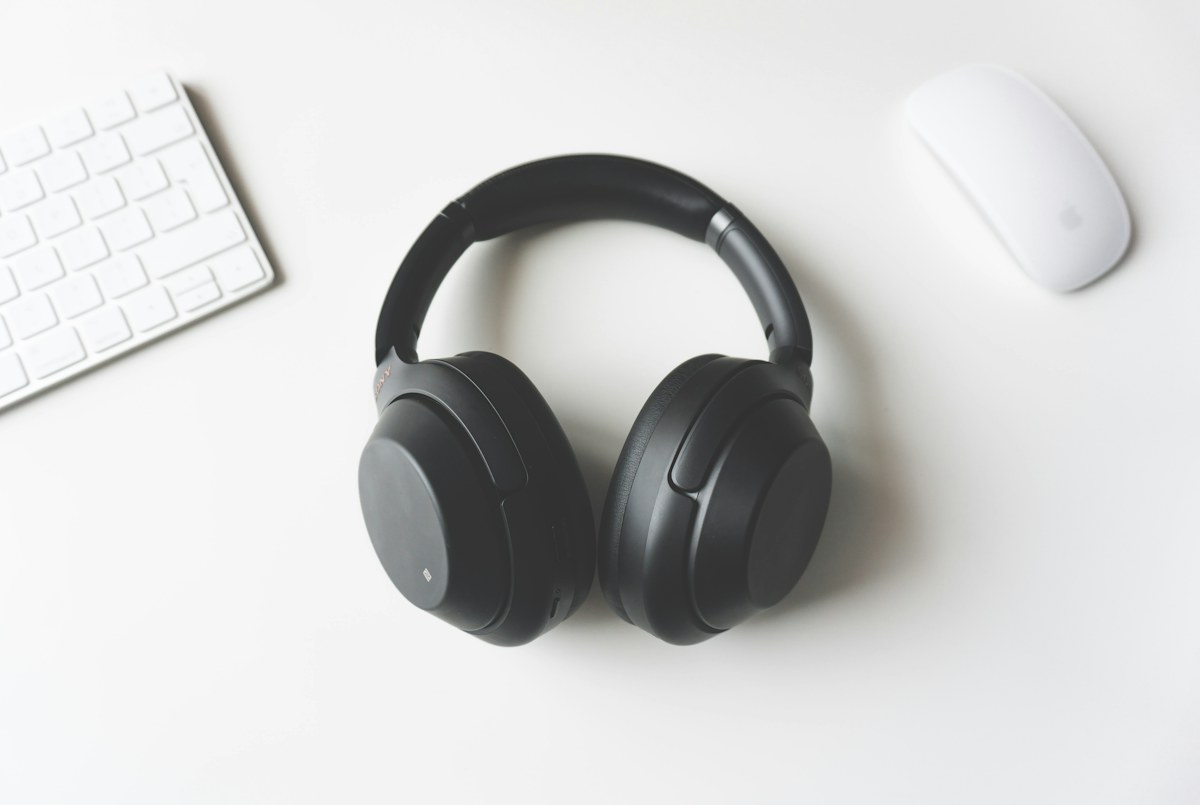
A crowded train is a reminder that the best headphone purchase is often about the journey rather than a favorite song. You want to hear a podcast without turning it up every time the carriage gets louder, answer a call after leaving the station, and put everything away quickly at the office. This guide uses published product information and practical buying criteria; it does not claim a hands-on comparison. Our starting recommendation is a comfortable over-ear pair with adjustable noise control and straightforward buttons. Spend more only when the extra features solve a specific part of your route.
The quick shortlist
| Your situation | What to look for | The tradeoff |
|---|---|---|
| Train-first choice | Over-ear noise-cancelling headphones A comfortable seal and adjustable cancellation support longer journeys with steady background noise. | A larger case takes space and fit remains personal. |
| Walk-and-ride choice | Lightweight headphones with ambient control Quick awareness adjustments suit a route that changes between platforms and streets. | Less isolation may be preferable to maximum quiet in traffic. |
| Occasional commuter | Simple wired or entry-level wireless pair Keeps spending proportional when headphones are used only a few times each week. | Fewer convenience features and possible cable adapters. |
Start with the hardest fifteen minutes
Write down where your current headphones fail: train rumble, wind at the platform, pressure from glasses, or an unreliable connection when switching devices. These are different problems. Noise cancellation may help with steady background sound, but it cannot guarantee silence, and listening comfort depends on the seal and fit. If most of your trip involves walking through busy streets, easy access to ambient listening deserves as much attention as the strongest cancellation setting.
Comfort cannot be read off a box
A headband that seems fine for a minute can become distracting during a longer trip. Check whether the earcups surround your ears, whether the pads leave room for glasses, and whether the headphones stay stable when you look down. A sensible return window matters here. Try the fit at home for a normal commute-length session, keep the packaging, and avoid assuming that the more expensive model will suit your head better.
Choose controls you can find quickly
Physical playback buttons and a clear noise-mode shortcut can be easier to locate when carrying a coffee or standing on a train. Touch controls may work well, but examine their layout and whether accidental activation can be reduced in the companion app. Device switching is also worth checking: simultaneous connections and automatic switching are separate capabilities. Read the manufacturer's explanation for your phone and work computer rather than relying on a general Bluetooth badge.
Budget space for a case
Measure the space left in your work bag after the laptop and lunch are packed. A rigid case protects headphones but adds bulk, and not every headband folds. If you take flights, check the available wired input and what works when the battery is empty. A charging cable does not necessarily carry audio. Keeping an ordinary wired backup may be more useful than paying for another listening mode you rarely use.
Make a restrained shortlist
For a train-first routine, prioritize fit, usable ambient listening and dependable controls before premium audio formats. For a train-plus-office routine, add microphone behavior and device switching. Sony's official catalog is one place to compare these feature families, but the right choice depends on the exact model and region. Check the current product page, replacement-pad availability and return terms before buying. Skip prestige upgrades if your present headphones already solve the commute comfortably.
A final everyday-use check
Before ordering, save the exact model number and check the seller's current returns policy. During your trial, repeat the commute-length wear session rather than judging sound for a few minutes. If the headband, glasses or case keep annoying you, choose a different fit instead of hoping the inconvenience will disappear.
Compare the official options
Use these manufacturer pages to confirm the exact model, compatibility, return terms and current price. A range may include products with different features; check the individual listing before buying.
Browse Sony official headphone range ↗Common questions
Will cancellation remove every sound?
No. Expect reduction rather than silence, especially with changing voices, sudden sounds and wind. Keep volume comfortable.
Should I buy the newest model?
Only if its changes address your problem. Compare fit, controls and compatibility before paying for a newer generation.
What should I check during returns?
Wear glasses if you normally do, take a call, switch devices and repack the case in your work bag.
Sources & further reading
Manufacturer sources are linked below. Recommendations about fit are editorial judgments; specifications and availability can change.
Photography: Unsplash license. View image source.
Spotted an error? Send a correction.
Keep Exploring
Earbuds for Work Calls: Look Beyond the Microphone Count
Find earbuds that suit calls at home, between meetings and outside.
Read the guide →
A Portable Speaker for the Kitchen, Patio and Weekend Bag
Match speaker size, controls and protection to where your music actually goes.
Read the guide →
A Home-Office Webcam That Makes Everyday Calls Easier
Spend on framing, mounting and lighting before chasing a larger resolution number.
Read the guide →